

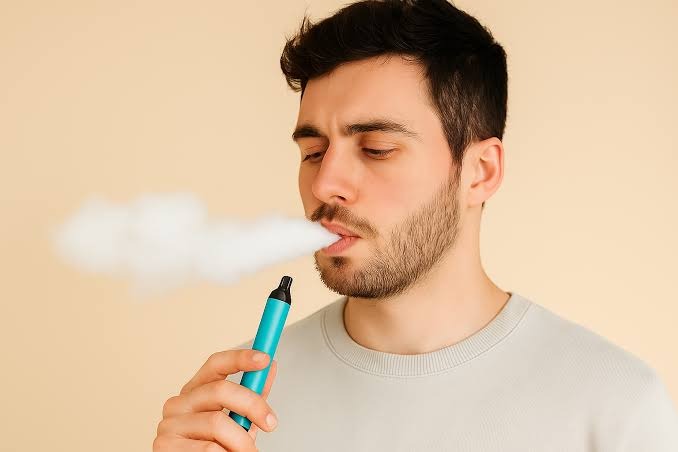
Ask ten vapers to explain their inhale technique and at least eight will look at you blankly — they inhale however they inhaled on day one, which usually means however they guessed. Yet inhale style is the single biggest variable in how vaping feels: it determines whether you cough or cruise, whether flavour sings or hides, how fast you burn through liquid, and whether the nicotine you paid for actually reaches you efficiently. This article is a proper masterclass in the two fundamental techniques — mouth-to-lung and direct-to-lung — including a third hybrid style most guides skip, the hardware and liquid each demands, drills for retraining a bad habit, and the diagnostics for working out which camp you belong in. Whether you are a beginner learning how to vape from scratch or a veteran who suspects their technique was never quite right, the next fifteen hundred words will change how every puff feels.
Why Inhale Style Matters More Than Hardware
A quick foundation. Vapour is not smoke: it is denser, warmer, and carries nicotine that absorbs through different tissue at different rates depending on how you move it. Draw it the wrong way for your setup and three things go wrong at once. Comfort: high-strength liquid pulled hard and deep hits the throat like a slap — the classic beginner cough is almost never the liquid’s fault and almost always the draw’s. Efficiency: aggressive pulls vaporise more liquid per puff than your body can use, wasting money as literal mist. Satisfaction: nicotine delivery depends on residence time and technique, so a mismatched style can leave a perfectly strong liquid feeling weak. Hardware sets the stage, but the inhale is the performance.
Mouth-to-Lung: The Smoker’s Native Language
MTL is a two-stage draw: vapour into the mouth first, held briefly, then carried into the lungs with a small secondary breath. It is precisely how the overwhelming majority of people smoked cigarettes, which is why it is the default recommendation for every switching smoker — the muscle memory transfers intact. The full technique: rest the mouthpiece lightly against the lips, draw slowly and evenly for around two seconds as if sipping a thick milkshake, feel the cheeks pull slightly, pause a beat with the vapour held in the mouth (this pause is where flavour registers most vividly, since taste lives in the mouth and nose, not the lungs), then inhale down with a little fresh air, hold for a second, and exhale unhurried. Done right, it is quiet, controlled and almost meditative. Common faults: drawing too fast (flooding and gurgling), gripping the mouthpiece like a snorkel, and skipping the mouth-hold, which throws away half the flavour.
Direct-to-Lung: The Deep Breath
DL is a single-stage draw: one continuous, deep inhale straight from device to lungs, closer to breathing through the mouthpiece than sipping from it, exhaled as the substantial cloud vaping is famous for. It demands specific conditions to be pleasant: airy, low-resistance hardware built for it, meaningfully lower nicotine (traditionally 3 to 6mg freebase — never 20mg salts, which turn a DL inhale into a coughing punishment), and higher power that produces warm, voluminous vapour. Its rewards are real — an airy, dramatic, sensation-rich style with room-filling flavour of a different character — but it is a hobbyist’s technique: more liquid consumed, more battery drained, more conspicuous in public, and nothing about it resembles smoking. Switchers who start here usually bounce off vaping entirely; enthusiasts who arrive here deliberately, months in, tend to love it.
The Third Style: Restricted DL
Between the camps lives RDL — restricted direct-to-lung — the style most guides forget and many experienced vapers drift into without naming it. It is a single-stage lung inhale like DL, but through deliberately tightened airflow, producing a slower, denser, more resistant draw: a deep breath through a wide straw rather than open air. It suits mid-strength liquids (nic salts around 10mg, or freebase around 6) and the adjustable mid-size pod kits that dominate the current market. For ex-smokers a year past the switch who find pure MTL a touch tame but 20mg-and-tight unnecessary, RDL is frequently the endgame — enough sensation and vapour to feel substantial, enough restriction to stay flavourful and frugal. If you own a kit with adjustable airflow, RDL is one afternoon of experimentation away.
The three inhale styles at a glance — draw character, typical strengths and who each suits.
Matching Technique, Hardware and Liquid
The three variables must agree, and most vaping misery traces to a mismatch. The MTL recipe: tight airflow (small pod kits, prefilled systems, MTL tanks), high-strength nicotine salts up to the UK’s 20mg ceiling, modest power, 50/50-ish liquid ratios that wick well in small coils. The DL recipe: wide-open airflow on sub-ohm hardware, low-strength freebase liquid, higher power, thicker high-VG juice built for clouds. RDL sits between on every axis. The mismatches to avoid by name: 20mg salts through open airflow (harshness and nicotine overload), thick 70VG cloud juice in a tiny MTL pod (starved wicks and burnt hits), and 3mg freebase through a tight pod (satisfying nobody). When buying anything — device, pod or bottle — the only question that matters is whether it belongs to your recipe.
Retraining a Bad Draw
Habits set in week one calcify, but they retrain in days with deliberate practice. The universal fix is the slow-count drill: for one full day, count every draw — ‘one-and-two’ — and stop at two seconds, however unfinished it feels; aggressive pullers discover their normal draw was four seconds of flooding. For hard suckers, the loose-lip drill: rest the mouthpiece so lightly that a firm suck would break the seal, forcing the gentle airflow the coil wants. For flavour-missers, the mouth-hold drill: an exaggerated three-second pause before inhaling, once per session, until the pause becomes automatic at normal length. And for chain-puffers, the put-it-down rule: after five or six draws, the device leaves the hand for ten minutes — nicotine needs minutes to register, and chaining past the signal is how liquid vanishes. Two or three days of drills rewrite a year of bad habit.
Diagnosing Yourself
Not sure which camp you belong in? Answer three questions. Did you smoke, and is smoking-replacement the point? MTL, no further thought required — revisit in six months if curious. Is discretion, low cost and simplicity the priority? MTL again: it sips liquid and battery and disappears in public. Are you an established vaper, secure in the switch, curious about sensation, flavour character and yes, clouds — and willing to buy hardware and lower-strength liquid to suit? Then RDL first, DL if the curiosity persists. There are no prizes for graduating styles: MTL-for-life describes a vast and contented majority, and the industry’s best small hardware is built precisely for them. The only wrong technique is a mismatched one.
Troubleshooting by Symptom
A quick clinic, since technique faults wear disguises. Persistent cough: draw too hard or strength too high for the style — soften first, then reassess strength. Gurgling and spitback: flooding from over-fast draws; slow to the two-count and keep the device upright. Weak flavour despite good liquid: usually a skipped mouth-hold in MTL, or airflow too open, letting vapour rush past the palate. Feeling under-dosed on strong liquid: sessions too short and hurried — nicotine arrives over minutes, so draw calmly and wait before re-dosing. Dizziness: the reverse — too much too fast, so lengthen the gaps. Burnt taste: not a technique fault at all but a wicking one — chain-puffing outran the wick, or a new coil skipped its saturation wait. Nearly every complaint on vaping forums resolves into one of these six lines.
A Week of Drills, Day by Day
For readers who want the retraining scheduled rather than described, here is the seven-day version. Days one and two: the slow-count — every draw counted to two seconds and stopped there, no exceptions, however abrupt it feels; this alone fixes the majority of imported smoking habits. Day three: add the loose-lip check — mouthpiece resting, not gripped — and notice the airflow sound smooth out. Day four: the mouth-hold day for MTL vapers — one exaggerated three-second hold per session, tasting what the pause adds. Day five: session discipline — six to ten draws, device down, ten-minute gap, trusting the delayed arrival. Day six: a deliberate experiment day — one variable only, whether that is a notch of airflow, a different flavour, or a longer hold, judged across full sessions. Day seven: nothing — vape naturally and audit which corrections stuck. Most people find five of the six installed permanently, and the missing one identifies itself for another pass. Total cost of the programme: zero pounds and a week of light attention.
The Jargon, In One Breath
A closing glossary for the terms this article leaned on, compressed. MTL: mouth-to-lung, the two-stage cigarette-style draw. DL: direct-to-lung, the one-stage deep breath. RDL: the tightened hybrid between them. Nic salts: the smooth, fast-absorbing nicotine formulation suited to MTL and higher strengths; freebase: the older type suited to lower-strength DL. Airflow: how much air the device lets past the coil, tight for MTL and open for DL. Priming: letting a new coil’s wick saturate before the first fire. Flooding: over-drawing liquid into the coil faster than it vaporises, heard as gurgling. And throat hit: the scratch on the inhale that scales with nicotine and PG — the sensation MTL preserves and smokers half-miss until they find it again. Nine terms; the entire working vocabulary of good technique.
Where Technique Meets Shopping
Everything above assumes you can buy the pieces of your recipe, so choose retailers accordingly: ones that label airflow style, strength and VG ratio clearly rather than burying them, and that stock genuine UK-compliant products — warnings on pack, nothing above 20mg, real business details. UK specialist pink vape organises its range along exactly these lines, from tight prefilled MTL pods through adjustable RDL-capable kits, with guides alongside the shelves — the shopping experience that makes recipe-matching easy instead of archaeological. Wherever you buy, the checklist is identical: style, strength, ratio, authenticity. Four ticks and your technique has the tools it deserves.
The Bottom Line
Inhale technique is vaping’s invisible fundamental: nobody sees it, no spec sheet lists it, and it governs everything you feel. The summary fits on a beer mat. MTL — sip, hold, inhale — is the smoker’s style and the right default for nearly everyone, paired with tight airflow and honest-strength salts. DL — the deep breath — is the enthusiast’s style, earned with airy hardware and gentle liquid. RDL splits the difference and quietly suits more veterans than either extreme. Match your draw to your gear and liquid, drill out any bad habits with a day of counting, and every puff you take from here improves. Adults 18 and over only, as ever — technique is for people who already vape, not a reason to start.
