

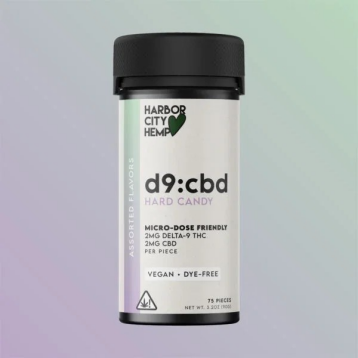
Buying edible products online can be confusing pretty quickly. One listing talks about flavor, another lists ingredients and a third makes big claims but doesn’t say much about what’s actually in the package.
Candy products with THC or CBD deserve more scrutiny than their names suggest. Thc hard candy sounds simple enough as a product description, but it doesn’t tell a reader everything they need to know about the ingredients, cannabinoid content, or potential effects.
A few minutes of label reading can make all the difference. The trick is knowing what details are important and what parts of a description are mostly there to catch the eye.
The product name is only the beginning
Product titles tend to be short because sellers want people to know what the item is at a glance. The trouble starts when shoppers take the title to be the whole description.
THC and CBD are two separate cannabinoids. THC is intoxicating. CBD is not generally intoxicating. The listing should state what cannabinoid it has, and not leave it to the reader to guess from the product name.
For instance, a candy labeled simply as a cannabinoid edible raises a lot of questions:
· Does it contain THC, CBD, or both?
· Is the quantity of each cannabinoid specified?
· Is there a full list of ingredients?
· Are warnings and storage instructions provided?
If those basics are difficult to find, the description isn’t giving the reader much to work with.
Those numbers on the label deserve a second look
Here is where people can easily get mixed up. A package might contain several candies, but the cannabinoid amount shown on the front could refer to the entire package rather than a single piece.
Those are two very different figures.
When comparing Hard candy thc products, check whether the label explains the amount per piece and the total amount in the package. If it includes serving information, read that too rather than assuming one candy equals one serving.
A quick comparison is easier when the information is clear:
| Detail | What to check |
| Amount per piece | Is the individual candy’s content stated? |
| Total amount | Does the figure cover the whole packet? |
| Serving size | Is it explained in plain language? |
| Units | Are the measurements consistent? |
A listing that skips these details shouldn’t be judged by its headline alone. Ask the seller for clarification if the figures are confusing.
Flavour tells you very little about strength
Some product descriptions spend several sentences describing sweetness, fruit flavours, or texture. That can be useful when the flavour itself matters, but it won’t tell anyone how much THC a candy contains.
The same goes for Thc hard candies with different flavour names. A sour candy isn’t automatically stronger than a sweet one, and a familiar flavour doesn’t reveal anything reliable about the cannabinoid content.
It is useful to distinguish two things when reading a listing: how the candy tastes and what the product is made of. Both details may be relevant but they answer different questions.
One should never be used as a substitute for the other.
CBD products aren’t all the same, either
The letters CBD can make a product sound simple, yet there are still details worth checking.
A Cbd hard candy description should include the name of the ingredients and the amount of CBD. It should also show the presence of any other cannabinoids. The name itself cannot answer those questions.
This is important when comparing Cbd hard candies from different sellers. Products that look the same in a catalog may differ in formulation, quantity and supporting documentation.
CBD also shouldn’t be assumed to be benign. It can interact with medications and may cause side effects. Anyone taking prescription medication or managing a health condition should consult a qualified healthcare professional prior to using CBD products. Pregnant or nursing individuals should consult a medical professional and generally avoid CBD, unless specifically advised otherwise.
A little paperwork can answer important questions
Product descriptions aren’t the only information worth reviewing. Where available, laboratory testing documents can provide additional details about a product’s composition.
A certificate of analysis should be relevant to the product or batch being sold. Check what was tested and whether the document actually reports the information being claimed. A general statement saying “lab tested” is less useful if there is no supporting report to review.
Other details matter as well, including the ingredient list, manufacturer information, storage instructions, and appropriate safety warnings.
Watch out for descriptions that:
· Leave cannabinoid amounts unclear.
· Use impressive claims without explaining them.
· Provide incomplete ingredient information.
· Mention laboratory testing but offer no supporting details.
These signs don’t automatically prove a product is unsafe. They do mean that a buyer has unanswered questions.
Don’t take promises about effects at face value
Terms like “fast acting” and “long lasting” sound convincing, but individual experiences can vary. THC edibles can take a while to kick in in a noticeable way, and taking more too soon can lead to unwanted or potentially harmful effects.
Keep THC edibles away from children and pets, keep the original packaging, and never treat them like normal sweets. Avoid driving after consuming intoxicating products and check the laws that apply where the product is being sold or used.
Retailers like Harbor City Hemp can be rated on the clarity of their product information, not just the attractiveness of a listing. The important question is whether the description provides enough reliable detail for readers to understand the product.
Final Thoughts
Reading the description of an edible product shouldn’t be like solving a puzzle. The cannabinoid, amount, ingredients, testing details and warnings should be clear enough to understand without needing to guess.
Whether browsing Hard candy thc listings or comparing CBD options, it pays to look beyond the product name and promotional wording.
If important information is missing, it’s better to ask questions than to fill in the gaps yourself. A few extra checks can help readers make better choices and realize when a product description just doesn’t offer enough information.
