

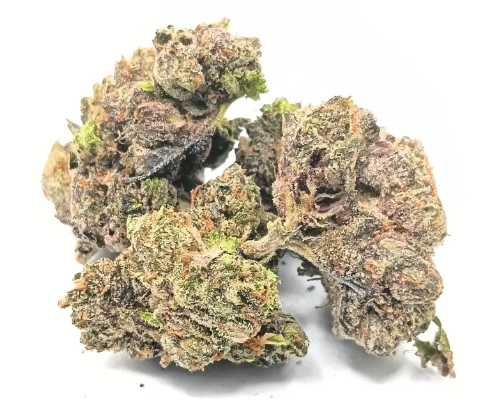
Public interest in cannabis and psychedelic research continues to influence scientific discussions, regulatory decisions, and media coverage. Researchers are investigating cannabinoids, psychedelic compounds, their pharmacological properties, and possible applications in carefully defined settings. At the same time, advances in laboratory testing and analytical technology are changing how researchers evaluate substances and assess the reliability of their findings.
However, scientific progress does not automatically translate into approved treatments, unrestricted access, or general commercial availability. A promising laboratory result may require years of further investigation, while a finding from an early clinical study may not be reproduced in larger or independently conducted trials. Regulatory decisions also depend on evidence, safety assessments, legal requirements, and the intended use of a substance.
These distinctions are particularly important in Canada, where cannabis and psychedelic substances operate under different legal frameworks. Although cannabis is available through authorised channels subject to applicable requirements, psilocybin-containing magic mushrooms and DMT-related substances are generally subject to significant legal restrictions unless specifically authorised. Research activity does not itself establish that a substance can legally be sold to the public.
Understanding the future of cannabis and psychedelic science therefore requires more than following headlines about new discoveries. It involves examining research methods, product testing, regulatory oversight, and the quality of information presented to the public. A careful approach allows genuine scientific developments to receive attention without treating preliminary findings as established conclusions.
How Research Priorities Are Evolving
Research into cannabis and psychedelic compounds covers several distinct scientific questions. Cannabis research frequently examines cannabinoids such as tetrahydrocannabinol (THC) and cannabidiol (CBD), including their pharmacological properties, interactions with biological systems, and effects under particular conditions. Psychedelic research investigates substances such as psilocybin and dimethyltryptamine (DMT), focusing on their mechanisms of action, subjective effects, safety considerations, and potential clinical applications.
These areas overlap in their reliance on pharmacology, analytical chemistry, and controlled research methods, but the substances should not be treated as interchangeable. Their chemical structures, effects, risks, legal status, and research histories differ. Findings involving one compound cannot automatically be applied to another compound or product category.
An important development in modern research is the emphasis on more precisely defined questions. Instead of asking whether a substance is broadly beneficial, researchers may investigate a specific compound, dose, population, outcome, and period of observation. This approach makes findings easier to interpret and helps identify the limits of what a study can establish.
Research priorities can also change as evidence develops. Laboratory studies may examine how a compound interacts with particular receptors, while animal studies may explore biological mechanisms that require further investigation. Human observational studies can identify associations, and clinical trials can evaluate specified outcomes under controlled conditions. Each method contributes different information, and none should be interpreted without considering its limitations.
Potential clinical applications remain an important area of investigation, but a research question is not the same as an established treatment. Early findings may justify additional study without demonstrating effectiveness, long-term safety, or suitability for general use. Researchers must also examine interactions, adverse effects, participant characteristics, and whether results apply beyond the original study population.
Future progress will depend partly on the ability to reproduce findings, compare evidence across studies, and identify questions that remain unanswered. This process may produce encouraging results, disappointing outcomes, or a more qualified understanding of a compound’s effects. All three possibilities contribute to scientific knowledge.
New Analytical Technologies and Product Testing
Advances in analytical chemistry are improving researchers’ ability to identify chemical substances, measure concentrations, and investigate potential contaminants. Techniques such as high-performance liquid chromatography, gas chromatography, and mass spectrometry can support different types of chemical analysis when selected and validated for the purpose.
These methods have particular relevance to cannabis research because products may differ in cannabinoid composition, concentration, and formulation. Reliable analysis helps researchers establish what a sample contains before interpreting experimental results. Without this information, differences between studies could reflect variations in the materials tested rather than meaningful differences in biological effects.
Product testing can also examine contaminants or other unwanted substances. Depending on the product and applicable testing requirements, laboratories may investigate microbial contamination, pesticides, residual solvents, heavy metals, or other relevant parameters. The appropriate tests depend on the substance, production process, intended use, and regulatory framework.
Psychedelic research presents similar analytical challenges. Researchers need to establish the identity and purity of investigational substances and ensure that samples meet the specifications required by the study. Accurate measurement can help maintain consistency across participants and research sites, making it easier to interpret observed outcomes.
Nevertheless, sophisticated equipment does not guarantee reliable results on its own. Analytical methods must be validated for their intended purpose, and laboratories need appropriate reference materials, calibration procedures, quality controls, and documented handling processes. Sample collection and storage also matter because poor handling can compromise results before analysis begins.
Laboratory reporting is another important consideration. A useful report identifies the sample, the methods used, the measurements obtained, and relevant limitations. Results should not be presented as proof that a product is universally safe merely because it passed a particular set of tests. A test can establish specific characteristics within the scope of the method, but it cannot answer every possible safety question.
As testing technology develops, stronger links between laboratory data, batch identification, and production records may improve traceability. These improvements can support research consistency and help regulated businesses demonstrate compliance with applicable requirements. Their value depends on accurate sampling, qualified laboratories, and transparent reporting rather than equipment alone.
The Importance of Clinical Trial Design and Replication
Clinical trial design determines how confidently researchers can interpret findings about cannabis and psychedelic compounds. A study may produce a striking result, but its significance depends on the research question, participant selection, comparison methods, outcome measurements, and analysis procedures.
Participant selection is one important factor. A trial involving a narrowly defined group may provide useful evidence for that population without establishing that the findings apply to people with different characteristics or circumstances. Researchers therefore need to explain who participated, which criteria were used, and how those choices affect the interpretation of results.
Control groups can help researchers distinguish an intervention’s effects from other influences, including natural changes over time, expectations, and differences in care. Where appropriate, randomisation can reduce systematic differences between comparison groups. Researchers must also select outcome measures that genuinely reflect the question being investigated.
Blinding can be difficult in psychedelic studies because participants may recognise subjective effects that reveal whether they received an active substance. This can affect expectations and potentially influence reported outcomes. Researchers can address such challenges through careful design, transparent reporting, and suitable methods of assessing bias, although no single approach eliminates every limitation.
Replication provides another essential safeguard. An independent research team may repeat a study to determine whether similar findings emerge under comparable conditions. When results are consistent across well-designed studies, confidence in the evidence can increase. When findings differ, researchers can investigate whether the differences reflect study design, participant characteristics, measurement methods, or other factors.
A single positive trial is therefore rarely sufficient to establish a broad scientific conclusion. The strength of evidence depends on the wider research record, including the quality of individual studies, consistency of findings, and presence of contradictory results. Systematic reviews can help assess this wider picture, provided their methods and included evidence are themselves carefully evaluated.
Ethical oversight is equally important, particularly in psychedelic research. Studies need appropriate review, informed consent, risk-management procedures, and monitoring of adverse events. Participants must understand the nature of the research and its uncertainties. Investigators also need procedures for responding to unexpected effects and protecting participant confidentiality.
Future advances will depend not only on discovering new effects but also on conducting studies that produce trustworthy, reproducible knowledge. Strong methodology helps separate genuine findings from chance observations and makes scientific conclusions more useful for future research and regulatory assessment.
Regulatory Differences Between Commercial Products and Investigational Substances
Cannabis and psychedelic substances are governed by different legal and regulatory requirements, depending on the substance, product type, intended use, and jurisdiction. Understanding these distinctions is essential because a substance’s presence in scientific research does not automatically make it available for unrestricted sale or personal possession.
Cannabis is subject to Canada’s federal Cannabis Act and its associated regulations, alongside applicable provincial and territorial rules. Legal access depends on the relevant framework, including requirements for authorised production, distribution, retail, age eligibility, and other regulated activities. Products sold through authorised channels must meet the requirements applicable to their category.
Psilocybin-containing magic mushrooms and DMT are subject to different controls. In Canada, psilocybin and DMT are controlled substances under the Controlled Drugs and Substances Act and associated regulations. Activities involving them are generally prohibited unless an applicable legal exemption or authorisation permits them. Access for scientific research or certain other authorised purposes does not create a general permission for commercial retail sales.
Regulatory oversight can involve several important elements:
– Research authorisation: Researchers may need specific permissions before possessing, producing, importing, exporting, or studying controlled substances. The required authorisations depend on the substance, research activity, institution, and applicable legal framework. Approval to conduct one type of study does not automatically permit unrelated activities.
– Investigational product quality: Research substances may need to meet defined identity, purity, handling, and documentation requirements. These controls help ensure that investigators know what is being studied and can interpret results consistently. They do not establish that the substance is approved for general public use.
– Clinical and ethical review: Human studies may require review by research ethics boards and compliance with relevant regulatory requirements. These safeguards address informed consent, participant welfare, study procedures, and the management of potential risks. Their purpose is to support responsible research, not to provide general commercial authorisation.
– Commercial sale requirements: Products intended for sale may be subject to separate licensing, manufacturing, labelling, distribution, and retail rules. A product used in an authorised experiment cannot automatically be transferred into ordinary commercial channels without satisfying the applicable requirements.
– Regulatory assessment of evidence: Authorities may evaluate scientific data when considering particular applications or regulatory changes. Decisions depend on the relevant legal framework and the evidence submitted. Public interest, media attention, or an increase in research activity does not independently determine the outcome.
These distinctions help explain why research access and commercial availability can develop at different speeds. Legal status must be checked against current official information, especially when a product category is subject to controlled-substance rules. Neither online availability nor a seller’s description independently establishes that a product is lawful in a particular jurisdiction.
How Public Expectations Can Outpace Scientific Evidence
Media coverage and commercial messaging can shape public understanding of cannabis and psychedelic research long before a scientific question is settled. Headlines often emphasise surprising results or possible applications because such stories attract attention. However, the most prominent claim may not accurately represent the study’s methods, limitations, or actual conclusions.
Preliminary findings are especially vulnerable to overinterpretation. A laboratory experiment may identify a biological mechanism without showing that the same effect occurs in humans. An observational study may find an association without demonstrating causation. An early clinical trial may report an outcome that requires confirmation in larger studies.
Anecdotal reports can contribute to research questions, but personal experiences cannot establish that an effect is consistent, caused by a particular substance, or likely to occur in other people. Experiences may differ because of individual characteristics, dose, product composition, other substances, expectations, and environmental conditions. Such reports should not be treated as substitutes for appropriately designed research.
Commercial incentives can further complicate public communication. Businesses may benefit from presenting emerging research in favourable terms, while publishers may prioritise simplified claims over nuanced explanations. This does not mean that every commercial statement is inaccurate, but claims need to be evaluated according to their supporting evidence and the interests of the source.
Responsible communication distinguishes what researchers observed from what they believe the findings might mean. It identifies whether evidence comes from laboratory experiments, animal research, observational studies, or controlled human trials. It also acknowledges uncertainty, conflicting findings, and the possibility that future studies may reach different conclusions.
This balanced approach avoids two opposing mistakes. The first is treating preliminary research as proof of a guaranteed benefit or an imminent medical breakthrough. The second is dismissing legitimate scientific investigation simply because the evidence remains incomplete. Research can be valuable without immediately supporting broad claims or practical applications.
Readers can assess emerging stories more carefully by checking the original study, examining its sample size and methods, and comparing its conclusions with independent evidence. This process helps separate scientific progress from exaggerated predictions and supports a more accurate understanding of cannabis and psychedelic research.
Building a More Reliable Information Environment
Reliable information about cannabis and psychedelic science depends on cooperation among researchers, regulators, public-health professionals, laboratories, and publishers. Each group contributes a different perspective, and clear communication helps ensure that scientific findings are presented within their proper context.
Several practices can strengthen the quality of public information:
– Clear sourcing: Articles should identify the studies, official documents, or regulatory notices supporting their central claims. Linking to original research where available allows readers to examine the methods and limitations instead of relying exclusively on summaries or headlines.
– Transparent funding disclosures: Financial relationships can be relevant when assessing research or commercial claims. Researchers and publishers should disclose funding and significant conflicts of interest according to applicable standards. Disclosure does not automatically invalidate a finding, but it gives readers useful context for evaluating how evidence is presented.
– Accurate descriptions of evidence: Writers should distinguish laboratory results, animal studies, observational findings, and clinical trial outcomes. Each type of evidence answers different questions, and clearly identifying the research method reduces the risk of overstating what has been established.
– Updated legal information: Regulatory requirements can change, and rules may differ across jurisdictions and product categories. Publishers should verify legal claims through current official sources, include relevant dates where appropriate, and avoid suggesting that research authorisation creates unrestricted public access.
– Responsible product information: Descriptions of cannabis, vape products, and psychedelic substances should avoid unsupported safety or medical claims. Product identity, testing information, and legal status should be discussed accurately, without treating a seller’s description as independent scientific confirmation.
– Collaboration and independent review: Researchers benefit when methods, findings, and limitations are scrutinised by independent specialists. Cooperation across institutions can also support replication, improve research standards, and identify unanswered questions that require further investigation.
Digital publishing platforms have a role in this information environment because they influence which explanations reach readers. Websites such as Shrooms Direct, which features cannabis, magic mushrooms, vape products, and related categories, can contribute to informed discussion by presenting educational material carefully and distinguishing product information from verified scientific evidence. Responsible editorial practices are particularly important when readers encounter products whose legal status or scientific evidence differs substantially.
An effective information environment also requires regular correction and updating. New studies may change the interpretation of earlier findings, while regulatory authorities may issue revised guidance. Publishers that review older material, correct inaccuracies, and explain meaningful changes help readers understand how knowledge develops over time.
Ultimately, public trust is strengthened when information is transparent about its sources, limitations, and purpose. Clear distinctions between research findings, commercial descriptions, and legal permissions make it easier for readers to evaluate claims without relying on hype or assumptions.
Conclusion
The future of cannabis and psychedelic research will depend on rigorous scientific methods, reliable analytical testing, ethical clinical trials, and appropriate regulatory oversight. Advances in technology may improve chemical identification, product consistency, and research traceability, but their value depends on validated methods and responsible interpretation.
Clinical findings must be assessed through study quality, replication, and the wider body of evidence. At the same time, commercial availability, scientific interest, and regulatory authorisation must remain distinct concepts, particularly when different substances are governed by different laws.
Transparent communication is equally important. Researchers, regulators, and publishers can help the public understand emerging findings by providing reliable sources, disclosing relevant interests, acknowledging uncertainty, and keeping legal information current. A careful, evidence-based approach allows genuine progress to be recognised without turning preliminary results into promises about future treatments, safety, or commercial opportunities.
