

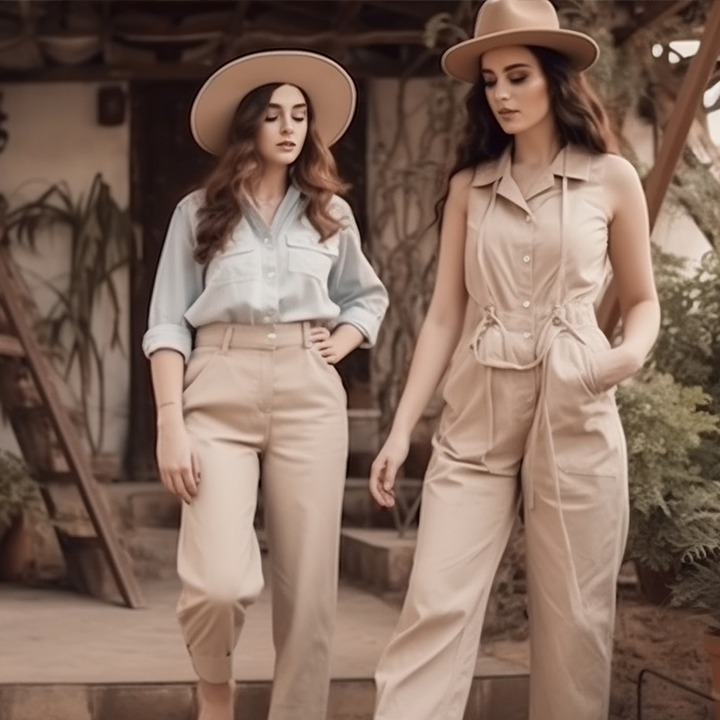
Build a Wardrobe Around Versatility
Creating stylish outfits does not require a wardrobe full of clothes. With a few carefully chosen pieces, you can put together different looks for work, casual outings, family gatherings, and special occasions. The secret is to focus on versatility and select clothing that works well together.
A practical wardrobe includes garments that can be mixed and matched rather than pieces that only work with one specific outfit. Neutral tops, comfortable trousers, versatile dresses, and lightweight layers provide a useful foundation. When each item serves more than one purpose, getting dressed becomes easier and shopping can become more intentional.
Start by reviewing the clothes you already own. Identify the pieces you wear most often and consider what makes them useful. This will help you understand your preferences before deciding whether you need anything new.
Choose a Coordinated Color Palette
Color coordination makes it easier to create multiple outfits from a limited collection. When your clothing shares a few complementary shades, you can combine pieces without worrying about whether they work together.
Neutral colors such as black, white, navy, beige, and grey are useful starting points. They pair easily with one another and provide a background for brighter colors and interesting prints. You can add a few favorite shades, such as green, blue, pink, or burgundy, to give your wardrobe more personality.
Try these simple color-planning tips:
- Choose two or three neutral colors for your main clothing pieces.
- Add one or two accent colors that reflect your personal style.
- Select printed garments that include colors already present in your wardrobe.
- Avoid buying a new item without considering what you can pair it with.
A coordinated palette does not mean every outfit must look similar. It simply gives you more options when putting different garments together.
Invest in Essential Clothing Pieces
A small wardrobe works best when its main pieces can serve different purposes. Choose items that fit comfortably, suit your lifestyle, and can be styled for several occasions.
Useful essentials may include:
- Plain tops: Pair them with trousers, jeans, skirts, or layered outfits.
- Versatile trousers: Choose a comfortable cut that works with several tops.
- Classic jeans: Style them casually with T-shirts or more neatly with structured shirts.
- A simple dress: Change its appearance through footwear, jewelry, and outer layers.
- A lightweight jacket or cardigan: Use it to add warmth, texture, or structure.
- Comfortable footwear: Select shoes that complement several outfits.
You do not need every item on this list. Choose according to your daily routine and build gradually. The best wardrobe essentials are those you genuinely enjoy wearing.
Make Coordinated Sets Work Harder
Coordinated clothing sets offer an easy way to create a complete outfit without spending time matching separate pieces. A matching top and trouser set can look polished together, but each piece may also work with other garments.
For example, a coordinated top can be paired with jeans for a relaxed outing, while the matching trousers can be worn with a plain blouse. This approach creates different looks from the same set.
If you are exploring western co-ords sets in Pakistan, consider choosing colors, cuts, and fabrics that fit your existing wardrobe. A simple set in a versatile shade may be easier to style in different ways than one designed for a very specific occasion.
Before purchasing a set, think about how you would wear each piece separately. This small step helps you get more use from your clothing and makes the purchase more practical.
Use Layering to Change Your Look
Layering can make familiar clothes feel different without requiring a completely new outfit. A shirt worn alone creates one appearance, while the same shirt under a jacket or cardigan can feel more structured.
Try wearing a lightweight outer layer over a simple top, adding a scarf for color, or combining different lengths to create visual interest. During warmer weather, choose light layers that can be removed easily when temperatures rise.
Layering also helps clothing transition between occasions. A simple daytime outfit can become more polished with a structured jacket and suitable accessories. The key is to choose layers that complement the base outfit rather than overwhelm it.
Transform Outfits With Accessories
Accessories are among the simplest ways to create variety. The same trousers and shirt can look casual with sneakers and a practical bag, then feel more refined with flats, a handbag, and understated jewelry.
Consider keeping a small collection of accessories that work with multiple outfits. This might include a versatile handbag, a belt, simple earrings, a scarf, and shoes suited to different activities.
You do not need to use every accessory at once. Sometimes changing just one detail is enough to refresh an outfit. If your clothing already features bold colors or prints, simpler accessories can help maintain balance.
Plan Outfits Before You Need Them
Planning a few combinations ahead of time helps you make better use of the clothes you own. It can also reduce the stress of deciding what to wear on busy mornings.
Try creating a short list of outfits for the coming week. Include options for casual activities, work or study, and any planned events. Take a quick photo of combinations you particularly like so you can remember them later.
You can also use a simple wardrobe rotation. Wear different combinations of your favorite pieces instead of repeatedly relying on the same complete outfit. This encourages creativity while helping you notice which garments are most useful.
Shop Less and Care for Clothes Properly
Before buying something new, check whether you can create the look you want with clothing you already own. If you do shop, prioritize items that fill a genuine gap and coordinate with several existing pieces.
Proper care also extends the usefulness of your wardrobe. Follow washing instructions, store garments appropriately, and repair loose buttons or small seams when needed. Keeping clothes clean and organized makes it easier to see what you have and plan outfits efficiently.
Conclusion
Creating multiple looks with minimal clothing is about choosing versatile pieces and styling them creatively. Coordinate colors, experiment with layering, use accessories thoughtfully, and plan outfits ahead. By caring for your clothes and shopping with purpose, you can build a practical wardrobe that offers variety, comfort, and personal style without unnecessary purchases.
