

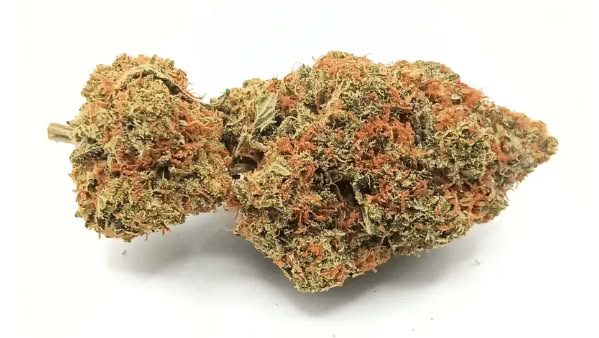
Canada’s regulated cannabis industry includes producers operating at different scales, from large cultivation facilities to smaller businesses focused on specialized growing practices and carefully defined product profiles. This diversity has contributed to public interest in craft cannabis, a term often associated with smaller production operations, attention to detail, and distinctive product characteristics.
However, craft cannabis does not have one universally accepted meaning across the Canadian market. The term may describe a producer’s approach, business scale, cultivation methods, or product philosophy, rather than a single legally defined category. Understanding this distinction helps readers evaluate claims about production methods without assuming that smaller operations automatically deliver better results.
Small-scale production can offer certain operational advantages, including closer oversight of individual growing areas and more flexibility in production decisions. At the same time, smaller producers face challenges involving operating costs, regulatory compliance, testing, packaging, distribution, and maintaining consistency between batches.
Examining how craft production works provides a clearer picture of its place within Canada’s regulated cannabis industry and helps explain why transparent product information matters regardless of a producer’s size.
1. What Does Craft Cannabis Mean in Canada?
Craft cannabis generally refers to cannabis produced through a smaller-scale or specialized approach, often emphasizing cultivation practices, product differentiation, and attention to individual batches. The term is commonly used in commercial descriptions, but it should not be confused with a standardized regulatory classification.
In Canada, Health Canada establishes licensing requirements for cannabis cultivation and processing. Its licensing framework includes micro-cultivation and standard cultivation categories, each with different authorized production limits. A micro-cultivation licence permits a grow surface area of up to 800 square metres, while standard cultivation licences do not have the same grow-surface-area limit. These categories are defined by regulation rather than by whether a business markets itself as a craft producer.
The distinction is important because a licensed micro-cultivator may fit some common expectations associated with craft production, but the terms are not interchangeable. Likewise, a producer operating a larger facility may use specialized cultivation methods or focus on distinctive product characteristics.
Craft production is often associated with several characteristics:
- Smaller cultivation areas or more limited production runs.
- Attention to individual plant batches and growing conditions.
- A particular emphasis on cultivation techniques or post-harvest handling.
- Product differentiation through aroma, composition, or other characteristics.
- Detailed communication about production practices and product information.
Not every craft-labelled producer will demonstrate all these characteristics, and none automatically guarantees a particular level of quality. A meaningful assessment depends on what the producer actually does and what information is available to support its claims.
For readers exploring the Canadian cannabis market, the most useful starting point is to distinguish a marketing description from a licensing category.
2. How Small-Scale Cultivation Differs From Larger Operations
The main difference between small-scale and large-scale cannabis production is operational scale. The size of a cultivation operation can influence how work is organized, how plants are monitored, and how resources are allocated. However, the relationship between scale and quality is not straightforward.
Smaller facilities may have fewer plants to monitor within a particular production area. This can make certain cultivation decisions easier to adjust at an individual-batch level. A producer may be able to devote more attention to specific growing conditions or maintain separate records for different groups of plants.
Larger facilities, meanwhile, may benefit from greater automation, specialized teams, standardized procedures, and investments in environmental controls. These systems can support consistency when they are well designed and properly managed.
Both approaches have potential strengths and limitations.
Small-scale production may offer:
- Greater flexibility when adjusting cultivation practices.
- More manageable production runs for certain specialized products.
- Opportunities to maintain detailed records for individual batches.
- A business model focused on a narrower selection of products.
Larger-scale production may offer:
- More resources for automation and environmental monitoring.
- Economies of scale in packaging, testing coordination, and distribution.
- Dedicated staff for different production stages.
- Greater capacity to supply consistent volumes across multiple markets.
These are general possibilities, not guaranteed outcomes. A small facility may struggle with environmental consistency or limited resources, while a large operation may maintain strong quality controls through established procedures.
Production scale alone therefore cannot establish whether one product is better than another. Cultivation expertise, equipment, sanitation, testing, staff training, and post-harvest management all contribute to the final result.
The relevant question is not simply how many plants a producer grows. It is whether the producer follows appropriate practices and can provide reliable information about the resulting product.
3. Cultivation Practices and Attention to Individual Batches
Cannabis cultivation involves several stages, including plant propagation, vegetative growth, flowering, harvesting, drying, and subsequent processing. Each stage can influence the characteristics of the finished flower.
Small-scale producers may organize these stages around relatively limited production batches. This can make it easier to document differences between growing areas or adjust practices for particular plants. However, detailed attention is valuable only when supported by consistent procedures and adequate records.
Environmental management is one important consideration. Light, temperature, humidity, airflow, water availability, and nutrient management affect plant development. Conditions that are appropriate during one stage may not be suitable during another, so monitoring and adjustment are important throughout cultivation.
Harvest timing also matters. Plant maturity can influence the measured composition of cannabinoids and other compounds. After harvesting, drying and curing practices affect moisture levels, aroma, texture, and storage stability. Poorly controlled drying or storage can undermine the benefits of careful cultivation earlier in the process.
Batch documentation helps connect these stages. Useful records may include the production lot, cultivation dates, relevant environmental observations, processing details, and information about testing. Such records can support internal quality management and help producers investigate inconsistencies.
Nevertheless, a small batch is not automatically a more carefully managed batch. Producers of any size need appropriate procedures, trained personnel, and systems that help identify and address problems.
When producers explain their cultivation methods, the most useful descriptions identify actual practices rather than relying on broad statements about being small, artisanal, or premium.
4. Flower Profiles, Aroma, and Cannabinoid Composition
One reason craft cannabis attracts attention is the possibility of finding products with distinctive aromatic or chemical profiles. Different cannabis plants can vary in their cannabinoid concentrations, terpene composition, appearance, and other characteristics. These differences can arise from genetics, cultivation conditions, maturity, and post-harvest handling.
Terpenes are compounds found in many plants that contribute to characteristic aromas. In cannabis, compounds such as myrcene, limonene, pinene, and beta-caryophyllene may contribute to earthy, citrus-like, pine-like, or spicy sensory descriptions. Their relative amounts vary across plants and batches.
A reader researching Cannabis terpenes explained may encounter descriptions that connect particular compounds with familiar scents. These descriptions can be useful for understanding aroma, but they should not be mistaken for proof of product quality or predictable effects. Sensory language and laboratory measurements describe different aspects of a product.
Cannabinoid composition is another area of variation. THC and CBD are two well-known cannabinoids, but their concentrations differ between plants and finished products. Breeders and producers may work with plant material that has different cannabinoid profiles, while cultivation and processing can also influence the final measurements.
Understanding THC versus CBD is useful when reading product information because the two compounds are distinct and their reported amounts should be interpreted separately. A product’s THC percentage does not reveal its entire chemical composition, and a CBD figure does not independently establish the product’s overall quality.
For craft producers, the ability to communicate these characteristics accurately is more important than presenting a product as inherently superior because it was grown in a small facility. Where available, batch-specific laboratory results can help distinguish measured composition from general descriptions.
It is also important to recognize the limits of product labels. A familiar variety name or a detailed aroma description cannot guarantee that every batch will have an identical chemical profile. Variation is possible even when products share a name.
Clear, appropriately qualified descriptions help readers understand what is known about a product and what remains uncertain. They also make comparisons between smaller and larger producers more meaningful.
5. Testing, Traceability, and Regulatory Responsibilities
Small-scale cannabis producers operate within Canada’s regulated framework when they hold the relevant licences. Their size does not remove the need to meet applicable production, packaging, labelling, and other legal requirements.
Testing and traceability are important elements of this framework. Depending on the product and applicable requirements, testing can address specified chemical or microbiological characteristics. The precise testing obligations vary by product category and regulatory provisions, so a general statement that a product is “tested” does not reveal everything about the scope or results of the testing.
Traceability connects a product to its production history. Batch or lot identifiers help distinguish one production run from another and can support investigations when a concern arises. Accurate records also help producers identify where an issue may have occurred and determine whether further action is required.
For consumers, packaging and product information provide some of the most accessible details for evaluating a regulated product. Relevant information may include the lot number, packaging date, cannabinoid amounts, required warnings, and other details prescribed for the product category.
A producer’s reputation can provide background, but it should not replace examination of the information available for a particular product. A small company may have a strong reputation and still experience a batch-specific problem. Similarly, a larger producer may maintain effective systems for consistency and traceability.
The most meaningful quality indicators are therefore connected to verifiable practices. These may include appropriate testing, clear product documentation, compliant packaging, and procedures for handling complaints or recalls.
Consumers should also distinguish between legal authorization and product claims. A valid licence indicates authorization for specified activities, not an unconditional guarantee that every item will meet every expectation. Quality assurance is an ongoing process that involves production controls, monitoring, documentation, and appropriate responses to problems.
By focusing on these concrete indicators, readers can evaluate craft-labelled products without assuming that small-scale production automatically means safer, purer, or more effective cannabis.
6. Market Challenges and How to Evaluate Craft Claims
Smaller cannabis producers face commercial challenges that may differ from those of larger companies. They may have less purchasing power, fewer distribution options, and limited resources for packaging, marketing, compliance, and testing coordination. They may also need to balance specialized production goals with the need to maintain consistent supply and manage operating costs.
Distribution can be particularly important. A producer may cultivate a distinctive product but still need to work through licensed processing or retail arrangements to reach consumers. Packaging, transportation, storage, and the time between production and sale can affect how the product is presented and preserved.
Another challenge is communicating differentiation without making unsupported claims. Terms such as craft, small-batch, hand-trimmed, or premium may describe particular business practices, but their meaning depends on the context and evidence behind them. A description is more informative when it explains the actual method or characteristic being referenced.
Readers assessing craft claims can consider the following questions:
- Does the producer explain what it means by craft or small-batch production?
- Is the relevant licensing and product information clear?
- Are cultivation or processing claims specific enough to understand?
- Is there accessible information about the product’s composition and batch?
- Are quality statements supported by documentation rather than broad promotional language?
- Does the product information distinguish measurable facts from subjective descriptions?
These questions apply to the wider cannabis market, not only to craft producers. A well-organized retailer catalogue can make it easier to compare products, but the level of detail available will vary between listings.
Industry resources such as westcoastbuds may help readers explore cannabis product information and terminology. As with any online resource, product descriptions should be considered alongside applicable regulations and relevant supporting documentation.
Ultimately, the value of a craft producer depends on what it offers and how reliably it delivers. Smaller operations can bring distinctive approaches to cultivation and product development, but business scale alone does not establish quality. Transparent information and consistent practices provide a more useful basis for comparison.
Conclusion
Craft cannabis occupies a recognizable place in Canada’s diverse regulated cannabis market, but the term does not represent one universally defined product category. It is often associated with smaller production runs, specialized cultivation practices, and attention to individual batches, while formal licensing categories are established separately under Canadian regulations.
Small-scale operations may offer flexibility and opportunities for detailed batch management. Larger facilities may benefit from automation, specialized teams, and economies of scale. Neither model guarantees better results without effective cultivation, processing, testing, and documentation practices.
Aroma, terpene profiles, and cannabinoid composition can help describe the characteristics of cannabis flower, but these details should be interpreted carefully. Variety names and promotional terms cannot replace reliable product information or establish quality on their own.
For readers comparing craft-labelled products, the most useful approach is to examine the producer’s actual practices, the available batch details, and the evidence supporting product claims. Transparent communication and sound quality management matter more than production scale alone.
