

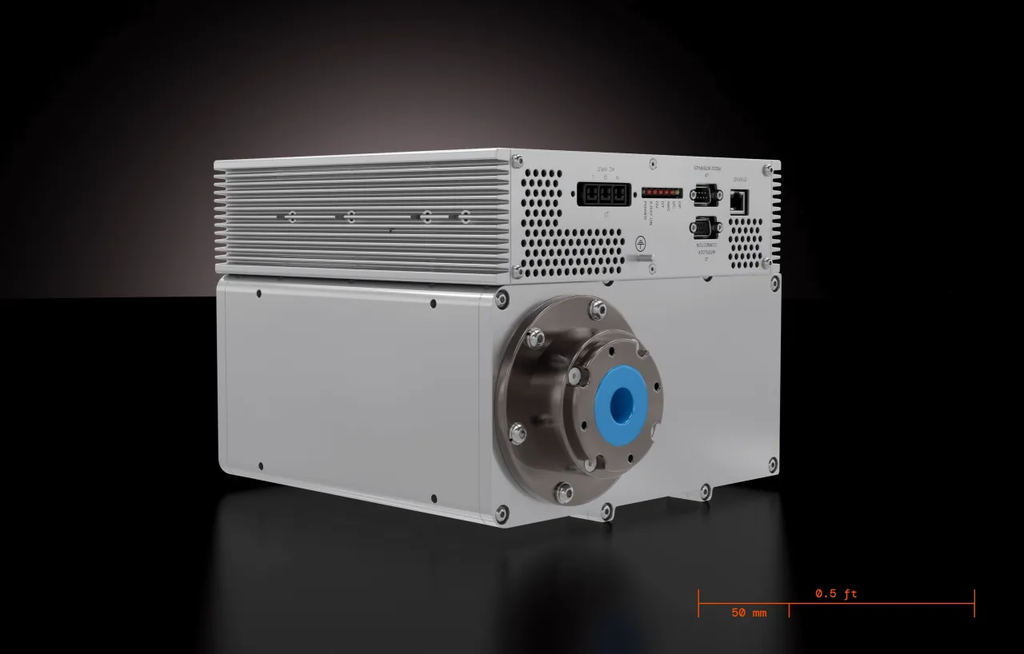
Choosing the right X-ray architecture affects equipment size, installation, maintenance, and overall performance. For original equipment manufacturers (OEMs), the decision often involves selecting a separate high-voltage generator connected to an X-ray tube or an integrated source that combines essential components in one enclosure. Understanding these differences helps engineers determine which configuration suits their equipment design, operating requirements, and available space.
Experienced X Ray generator manufacturers offer solutions for diverse applications, helping OEMs evaluate component compatibility, output requirements, thermal management, and system integration before selecting the most appropriate X-ray technology for their specific needs.
What Is a Separate X-Ray Generator?
A separate X-ray generator is a component that supplies the high voltage needed to operate a compatible X-ray tube. The generator and tube are installed as distinct units, connected through suitable high-voltage cables and control interfaces.
This architecture gives equipment designers flexibility over component placement. The generator can be mounted in a cabinet or another suitable area, while the tube is positioned where the X-ray beam is needed.
However, the design team must account for cable routing, electrical compatibility, enclosure space, cooling, and installation procedures.
What Is an Integrated X-Ray Source?
An integrated X-ray source combines the X-ray tube, high-voltage power supply, and control electronics in one compact assembly. Rather than engineering each major element as a separate installation, an OEM can integrate the complete source unit into the wider machine.
This arrangement can simplify system design because fewer separate components and high-voltage connections need to be positioned and coordinated. A compact enclosure can also help manufacturers develop equipment where internal space, weight, or straightforward assembly is important.
The Main Differences
1. Component Arrangement
The clearest difference is how the components are packaged. A separate generator architecture distributes the generator and tube across the equipment. An integrated source brings them together in one assembly.
2. Installation and Wiring
Separate generators require careful connection between the generator and tube, including appropriate high-voltage cable routing and compatible interfaces. Engineers must plan cable paths, clearances, and service access. Integrated sources can reduce external high-voltage wiring because the tube and generator are housed together.
3. Space and Mechanical Design
A separate setup allows components to occupy different locations, which can be useful when a machine has a dedicated electrical cabinet or unusual geometry. Yet the overall system must reserve space for both units and their connections. An integrated source consolidates several functions into a single footprint. That can benefit compact scanners, portable inspection systems, and equipment with strict weight or space constraints.
4. Customisation and Flexibility
Separate generators can offer flexibility for designers who need to select or replace a generator while retaining a compatible tube. They can also suit specialised systems with established component layouts. Integrated sources offer a different kind of flexibility: the complete assembly can be selected or customised around the application’s required output, beam geometry, mounting, and thermal needs.
5. Maintenance and Troubleshooting
With separate components, technicians may be able to inspect the generator and tube as distinct parts. This can support component-level diagnosis or replacement, provided the equipment design and service procedures allow it. Integrated assemblies consolidate components, potentially simplifying external connections, but a fault may require evaluation of the complete unit.
6. Performance and Thermal Management
Both architectures can deliver stable X-ray output when correctly specified and operated. Performance depends on factors such as voltage stability, current regulation, power rating, tube characteristics, duty cycle, and heat removal. Integrated units may include thermal management within the enclosure, while separate systems may use a layout designed around external cooling. Engineers should assess the full operating profile, not packaging alone, when comparing performance.
Where Are These Designs Used?
Both approaches support applications across several industries. Security equipment can use X-ray sources for baggage, parcel, cargo, and other inspection systems. Food production lines use X-ray inspection to identify certain foreign materials and check product quality. Industrial systems use X-rays for non-destructive testing, thickness gauging, material inspection, and sorting. Medical and dental equipment, electronics inspection, and analytical instruments also rely on suitable X-ray technology.
The preferred architecture depends on the equipment’s purpose. A compact machine with limited internal space may benefit from an integrated source. A larger installation with an established cabinet layout may favour a separate generator. Output needs, beam arrangement, operating duration, service access, and regulatory requirements all influence the final choice.
How Should OEMs Choose?
Start by identifying tube voltage, current, power, focal spot, beam angle, and duty cycle requirements. Check available space for the generator, source, cables, and cooling equipment. Evaluate electrical interfaces, controls, mounting, shielding, and maintenance access. OEMs should review documentation, customisation, manufacturing quality, and technical support.
Confirm whether integrated assemblies include all necessary components and verify compatibility between separate generators and tubes. Safety measures, including shielding, interlocks, and regulatory compliance, remain essential.
Compare high voltage power solutions based on installation, testing, transportation, and servicing needs. Consider operating hours, ambient temperature, vibration, cleaning access, and potential downtime. A thorough assessment helps manufacturers select suitable equipment while avoiding unnecessary integration difficulties and maintenance challenges.
Conclusion
Separate X-ray generators and integrated X-ray sources serve similar purposes but offer different design advantages. Separate units provide component placement flexibility, while integrated sources simplify installation through compact packaging. The right choice depends on space, output, cooling, maintenance, and system requirements. By working with experienced X Ray generator manufacturers, OEMs can select suitable configurations that support reliable performance and efficient equipment integration.
For businesses seeking reliable X-ray technology, expert engineering and flexible integration options are essential. VJ X-Ray develops integrated X-ray sources and high-voltage generators for original equipment manufacturers across medical, industrial, security, food inspection, electronics, and analytical applications. Its IXS series combines the X-ray tube, power supply, and control electronics in a compact unit, while HVL and HVG generators support separate system designs. Customisation options help OEM teams evaluate output, integration, application, performance, and service requirements for dependable X-ray equipment.
