

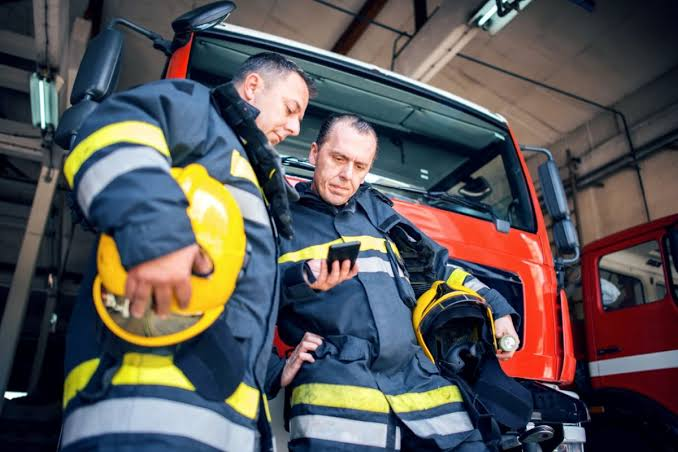
Fire watch is usually the thing someone remembers on a Thursday afternoon. The location’s locked, the call sheet’s out, and then a line in the permit catches somebody’s eye: named fire watch required. Cue the phone calls. Booking fire watch for film sets early, and putting a little thought into it, avoids that scramble and saves money too.
Look at What’s Actually Happening
Before you ring anyone, go through the schedule properly. Is there pyro or any open flame in the script? Is the construction crew welding or cutting during the build? Big generators or a lot of temporary power on location? Is anyone planning to switch off the venue’s alarm or sprinklers, for haze, for rigging, for anything? Are you shooting nights, or leaving the set dressed and the gear on site overnight?
Any one of those can mean you need a watch. All of them together tell you how many people and for how long.
Which Rules Apply?
Usually more than one. NFPA 140 sits over production studios and locations. NFPA 51B covers the welding and cutting. NFPA 72 comes into it when alarms are impaired. Then there’s whatever your local film office puts in the permit, whatever the fire marshal wants, and whatever your insurer wrote into the policy.
They don’t always agree. The location manager or permit office can usually untangle it, and a decent provider will have seen most combinations before.
Send the Call Sheet
Seriously, just send it, along with the address and any permit conditions. Film hours are all over the place, with 5am calls, nights, split days, turnarounds and overtime that nobody planned. The provider needs to staff to that, not to their usual shift pattern. If the unit’s moving mid-week, say so early.
The First Morning
When the watcher turns up, somebody should spend five minutes with them. It’s usually the AD, the location manager or the set safety person. Where’s the effect happening? What’s being welded? Which systems are off, and until when? Where are the exits, the extinguishers, the muster point? Who do they talk to if something’s wrong? That short chat at call time saves a lot of confusion at 3pm.
What Good Looks Like
You’ll know fire watch for film sets is being done right when you barely have to think about it. The watcher’s there before crew call and leaves after wrap. Their name is on the permit. They’re walking the site on a regular loop, not just when someone remembers. They’re at the effects, at the welding, and they stay on afterwards. Exits stay clear even as gear moves. And the log’s being filled in as the day goes, not scrawled from memory at wrap.
What You Should Get at the End
A wrap pack. Roster of watchers with their certifications. Timestamped logs for every day. Hot work records. Any incident or near-miss reports. It goes to production, the insurer, and the marshal if they ask. And next time you apply for a permit, you’ve got something solid to point to.
Choosing Who to Call
Speed is a big one. Can they get someone out in under three hours if a stage system fails mid-shoot? Then experience. Have their people actually worked sets, including effects standby, or are they general guards? Flexibility too. Will they run off your call sheet, nights and turnarounds included? Ask about paperwork, whether the logs are ready for a marshal or insurer to read. And ask who runs the company. A crew run by ex-firefighters usually brings a different level of attention.
Put It in the Budget Early
It’s a small line compared with a day lost to a marshal’s stop order, or a damaged location. Budget for it from the start, book it the same week you lock the schedule, and treat the watcher like part of the crew. Productions that do that rarely get caught out.

